
The Best San Francisco Neighborhoods for Retail in 2026
Commercial Real Estate San Francisco · August 8, 2026
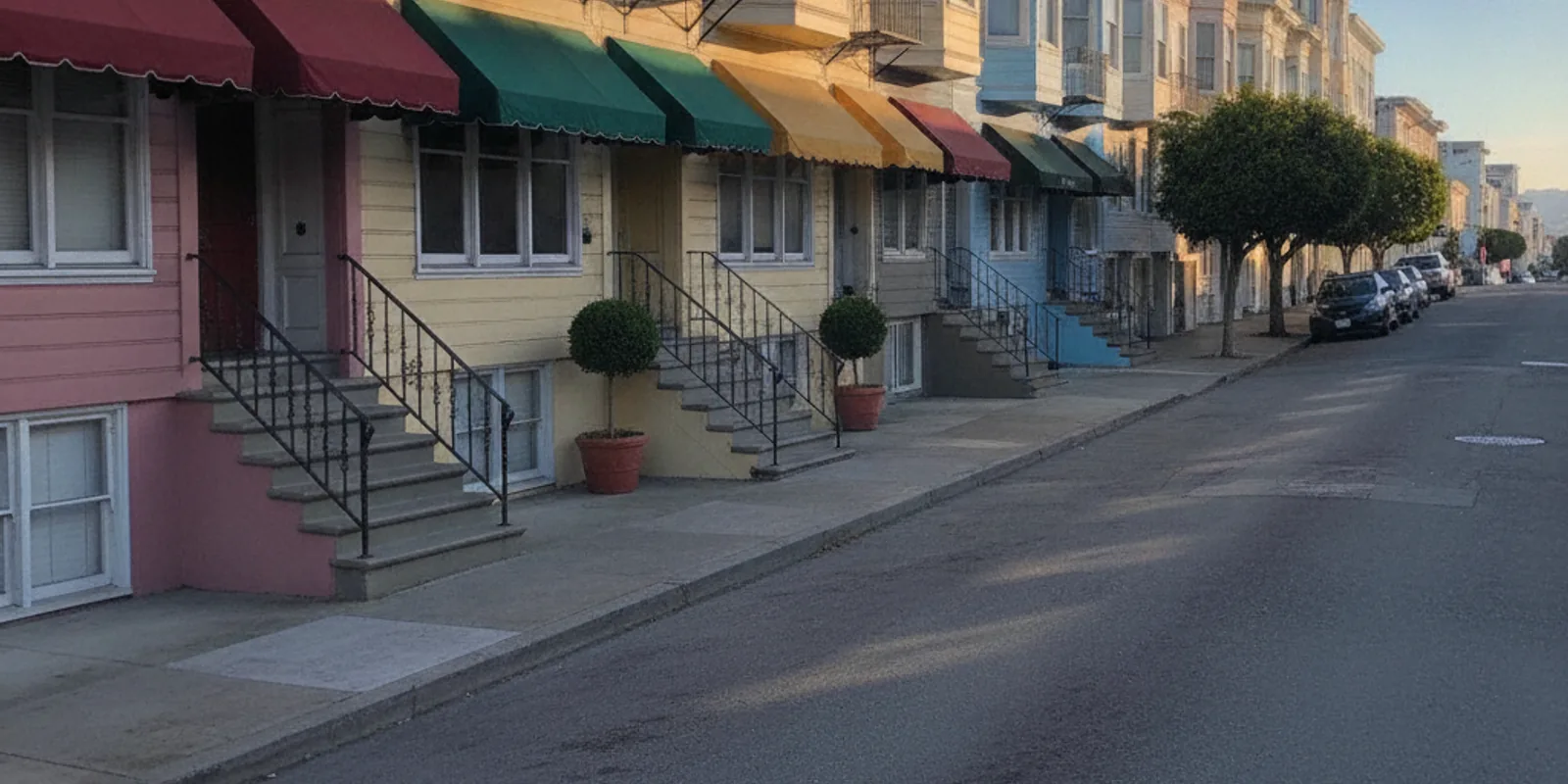
San Francisco retail is not one market — it is a dozen corridors with different customers, different rents, and different winners. The headlines about downtown vacancy miss the real story: the neighborhood corridors have some of the strongest independent-retail performance in the country. Here is the corridor-by-corridor read for 2026.
Chestnut Street (Marina) — affluent daily traffic
The Marina’s main street: fitness, beauty, fashion, brunch. Customers are local, affluent and walk the corridor daily. Vacancy is among the lowest in the city and landlords know it — expect $60–$90 per square foot per year NNN for prime frontage. Best for: premium daily-needs concepts, boutique fitness, established food brands.
Fillmore Street (Pacific Heights) — polished boutique
National boutique brands mixed with local institutions between Bush and Jackson. Similar economics to Chestnut ($55–$85 NNN) with a slightly older, higher-spend customer. Cotenancy matters here: being three doors from the right anchor cafe measurably changes your walk-ins.
Hayes Street (Hayes Valley) — design-forward independents
The strongest post-2020 corridor story in the city. Design-led boutiques, eyewear, apparel and wine bars between Franklin and Laguna. Rents run $50–$80 NNN and spaces are small (800–2,000 SF), which suits first physical locations for digitally-native brands — a pattern Hayes Valley practically invented.
Valencia Street (Mission) — volume and evenings
The city’s liveliest independent corridor, 16th to 24th. Restaurants, bookstores, vintage, galleries. $40–$70 NNN, with Mission Street one block over at a meaningful discount for service retail. Evening and weekend trade is the engine — concepts that capture both day and night do disproportionately well here.
Columbus Avenue (North Beach) — food first
The restaurant district: cafes, trattorias, bars from Washington Square toward Broadway, plus boutique retail on upper Grant. $35–$60, strong tourist plus local evening mix, and regular turnover of second-generation restaurant spaces with hoods and walk-ins intact — the cheapest way into a fitted kitchen in a prime food corridor.
Union Square — flagship economics, new flexibility
Still the regional flagship district (Grant, Post, Geary, Powell), still $100–$300+ on the core blocks — but vacancy has made landlords flexible in ways unthinkable in 2019: pop-ups, percentage rent, shorter flagship terms. For brands that need the address, the entry price has never been more negotiable. Side streets like Maiden Lane offer the adjacency at neighborhood rents.
Honorable mentions
- Polk Street: $35–$60, strong food-and-beverage energy between Nob Hill and Russian Hill.
- Clement Street (Richmond): value rents, exceptional food traffic, deeply local.
- West Portal: village-style corridor with Muni at the door — reliable for services and family retail.
How to pick
Match the corridor to your customer, then verify the specific block: foot-traffic counts, cotenancy, and the permit history of the exact space (change-of-use in SF can take months — a space already permitted for your use is worth a rent premium). We walk corridors with operators, pull the permit records, and negotiate the lease tenant-side. Free for tenants — text us your concept.
Need space in San Francisco?
Text us your requirements — size, budget, neighborhoods — and get a curated shortlist the same day. Free for tenants.
Text Us