
Class A vs Class B Office Space in San Francisco: Which Should You Lease?
Commercial Real Estate San Francisco · August 8, 2026
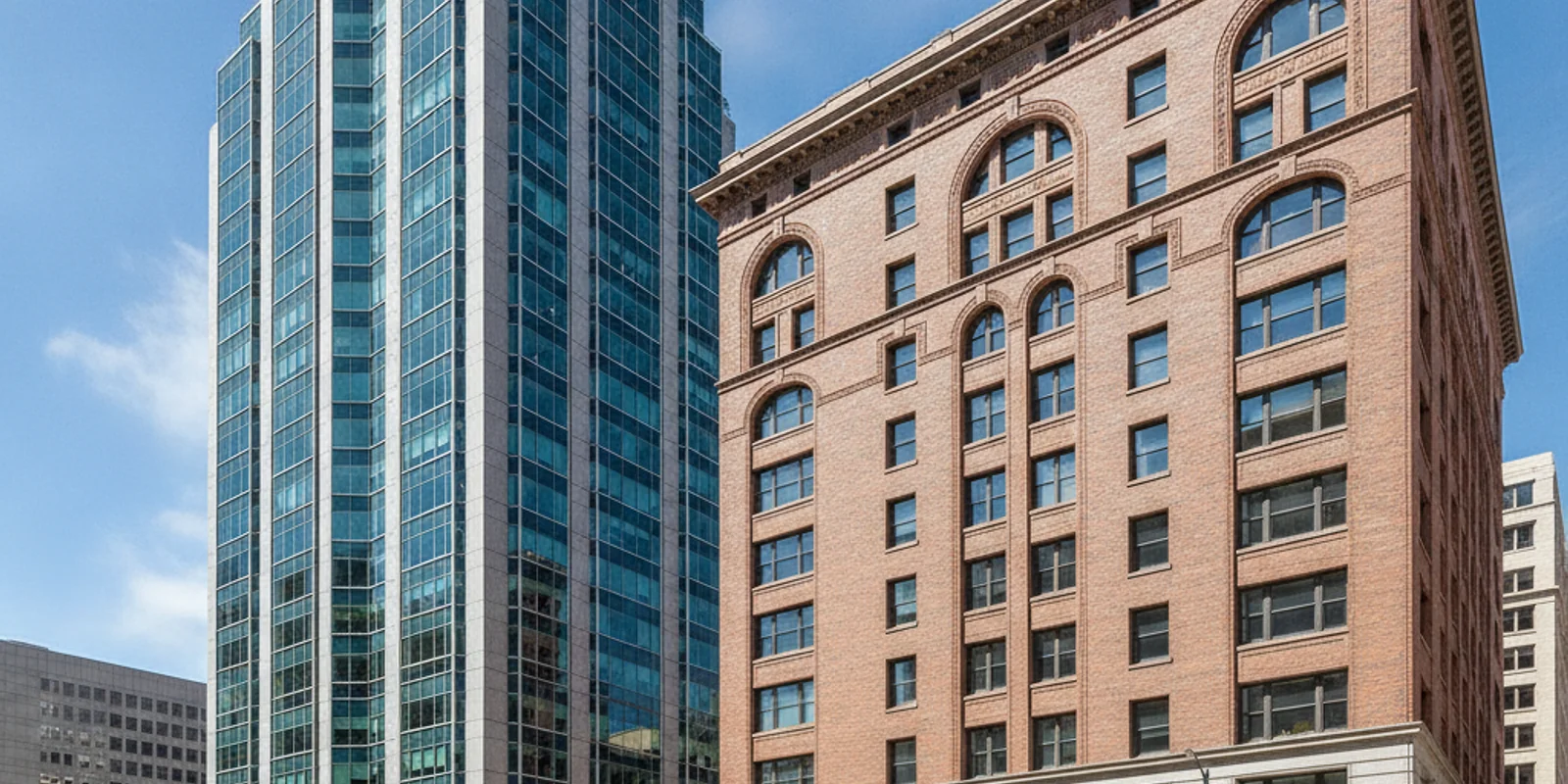
Office building “classes” are an informal grading system, not a certification — but in San Francisco the letters map to real differences in price, systems and tenant experience. Here is what A, B and C actually mean in this market, what each costs in 2026, and how to decide which one your company should lease.
What the classes mean in San Francisco
Class A
The towers: Salesforce Tower, 555 California, 101 California, the Embarcadero Center, and the newer product in Mission Bay. Institutional ownership, attended lobbies, destination elevators, modern HVAC with good outside-air ratios, seismic and life-safety systems current, and amenities — conference centers, gyms, tenant lounges. In 2026 Class A asks $55–$75 per square foot per year full service, with trophy floors above that.
Class B
The mid-rise stock on Sansome, Battery, Bush, Pine and Second Street — solid pre-1980s buildings, professionally managed but without tower amenities. Systems are older (window AC or two-pipe HVAC is common), lobbies are modest, floorplates smaller. Asking rents run $30–$45 full service. Within Class B there is a wide quality range — a renovated B+ on Battery is a different product from a tired B- on the mid-Market fringe.
Class C and creative
Older walk-ups and unrenovated stock — and, as its own category, the brick-and-timber creative buildings of SOMA and Jackson Square. Creative space is technically B/C by systems but prices on character: $35–$55 for exposed brick, timber beams and open floorplates that recruit better than a generic tower floor.
The 2026 price gap — and why it narrowed
The A-to-B spread compressed after 2020: flight-to-quality demand kept the best towers occupied while commodity space emptied. The practical consequence for tenants: Class A is more attainable than it has ever been. With 6–12 months free rent and real TI money, a company that budgeted for Class B in 2019 can often land genuine Class A space today at a similar effective monthly cost.
When Class A is the right call
- You bring clients or candidates through the office and the building is part of the pitch — finance, law, executive search, later-stage startups.
- You need reliable after-hours HVAC, security and elevator service (trading desks, 24/7 teams).
- You are signing 5+ years and can trade term for a large TI package to build exactly what you want.
When Class B (or creative) wins
- Cash discipline matters more than lobby marble — the same team, at $38 instead of $65, saves ~$300k over five years on 10,000 square feet.
- Your brand reads better in exposed brick than in granite — agencies, design studios, early-stage teams.
- You want a smaller full-floor identity: many B buildings offer 3,000–6,000 SF full floors with your name on the elevator landing.
The questions that matter more than the letter
Grade the specific building, not the class label: How does the HVAC actually perform on a hot afternoon, and what does after-hours HVAC cost per hour? What is the true load factor (rentable vs usable — SF towers commonly add 15–18%)? Is ownership solvent enough to fund the TI allowance it is promising? Is the elevator wait at 9am acceptable? We check all of this on tours, because a “cheap” space that fails on systems is not cheap.
Bottom line
In 2026 San Francisco, the class decision is a strategy question, not a budget ceiling. Decide what the office needs to do for your business — recruit, host, or just house — and let the current market’s concessions do the rest. Both paths are deeply negotiable right now.
Need space in San Francisco?
Text us your requirements — size, budget, neighborhoods — and get a curated shortlist the same day. Free for tenants.
Text Us